Blind Test: Q60B Q60 Q60Bd Qled vs Fire Tv 2020 - Which is Actually Better?
Introduction
Choosing a new TV can feel like navigating a maze: marketing names change by region, model suffixes multiply, and the same panel technology promises very different experiences across price points. This blind test pits two common choices that buyers encounter at different budgets and use cases: the Q60 family of QLEDs (appearing as Q60B, Q60, Q60Bd in various markets) and the Fire TV 2020 line (Fire TV Edition televisions and the 2020 Fire TV platform). Rather than rely on specs sheets alone, this examination focuses on how these sets perform in real-world scenarios that matter to most buyers—streaming, gaming, live sports, and family-room viewing—using controlled side-by-side comparisons and typical user workflows.
How the Blind Test Was Conducted
To keep the evaluation useful and repeatable, reviewers followed a simple blind methodology. Two identical viewing rooms were prepared with neutral wall colors and controllable lighting. Each TV was set to its default "Standard/Smart TV" picture mode (the factory experience most buyers encounter out of the box), with volume and seating distance matched. A mix of content was played—4K HDR movie clips, SDR streaming shows, live sports highlights, and fast-paced gaming footage—without labeling which unit was which. Observers recorded impressions on color, contrast, motion clarity, perceived brightness, and interface responsiveness. This approach highlights the difference a typical buyer will notice in everyday use rather than laboratory numbers alone.
Product Overview
Q60 Series (Q60B / Q60 / Q60Bd QLED)
The Q60 series represents Samsung's entry-level QLED range. The "QLED" label indicates the use of quantum dot material layered in front of an LED backlight to widen color gamut and improve color saturation compared with standard LED LCDs. Across regions the naming (Q60B, Q60, Q60Bd) varies but the core positioning is similar: better color and brightness than cheap LED TVs, while avoiding the premium price of higher-tier QLEDs. These TVs are often available in multiple sizes and include features such as decent upscaling, Samsung's Tizen smart platform, and parental control options.
Fire TV 2020 (Fire TV Edition TVs and Fire OS)
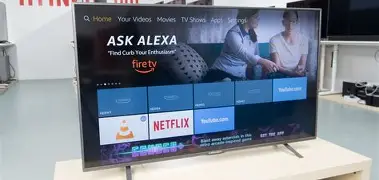
Fire TV 2020 refers to televisions and platform integrations released or updated around 2020 that run Amazon's Fire OS or are branded Fire TV Edition. These models are typically manufactured by a range of partners and emphasize tight integration with the Fire TV interface—fast access to streaming apps, Alexa voice control, and an app ecosystem optimized for Amazon's storefront. Hardware quality varies widely because many OEMs used the Fire TV label, but the key selling point has been a familiar, app-centric smart TV experience at a budget-friendly price.
Detailed Analysis: Real-World Performance
Picture Quality: Color, Brightness, and Contrast
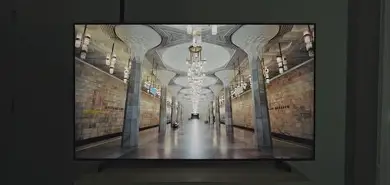
In direct blind comparisons, the Q60 series consistently delivered richer, more saturated colors and stronger perceived brightness. Quantum dot technology gives the Q60 an advantage in producing vivid reds and blues that make HDR content pop on brighter scenes. For buyers who watch a lot of high-quality streamed movies or HDR-enabled content in a well-lit living room, the Q60’s handling of highlight detail and color volume was noticeably better.
The Fire TV 2020 models typically offered competent SDR performance and acceptable HDR tone mapping for budget hardware, but many exhibited lower peak brightness and narrower color gamut versus the Q60. In darker rooms, some Fire TV models produced decent shadow detail, though blacks tended to look more gray in comparison to the Q60's local contrast handling—particularly noticeable during cinematic scenes with deep blacks.
Motion Handling and Sports
Motion clarity is important for sports and fast-paced action. The Q60's motion processing usually provided smoother camera pans and reduced judder when viewing 24p film content. It also tended to apply more aggressive motion interpolation options for users who prefer the "soap opera effect."
Fire TV 2020 models showed adequate motion handling for most live sports broadcasts, though occasional blur and trailing were observed on very rapid camera movements. For viewers who prioritize sports, the Q60 will likely feel more "fluid" under identical settings.
Gaming
Gamers care about input lag and variable refresh features. The Q60 series often includes a dedicated game mode that reduces processing and latency, making it suitable for casual and console gamers. While not a gaming flagship, it typically performs well with modern consoles at 60Hz.
Fire TV 2020 televisions can vary: some partner models offered low input lag in game mode, but this was less consistent. Competitive gamers should verify the specific model's latency numbers or test in-store when possible. Overall, the Q60 provides a more predictable gaming experience for buyers seeking a balanced TV for both media and gaming.
Find top-rated TVs & Home Theater products at great prices.
Shop Amazon →Smart Platform and Usability
Smart platforms shape daily experience. Samsung's Tizen delivers a polished, platform-agnostic app selection with frequent updates and a clean home screen. The Q60 benefits from a refined interface and smooth navigation.
Fire TV's strength is its interface familiarity for users embedded in Amazon's ecosystem—Alexa voice controls, quick access to purchased content, and a simple tile-based UI. Remote ergonomics and voice integration are often praised. However, the Fire TV platform can prioritize Amazon content placements, which some buyers find promotional.
Sound and Build Quality
Neither option is likely to replace a dedicated sound system. The Q60 usually has a slightly fuller sound signature and sometimes better-built chassis, but small-screen variants still sounded thin. Fire TV 2020 sets often emphasize value, which is reflected in simpler speaker systems. In both cases, buyers who value immersive audio will want a soundbar or external speaker setup.
Reliability, Updates, and Long-Term Considerations
Samsung has a better track record for firmware updates and platform longevity in mid-range models, but no manufacturer guarantees indefinite support. Fire TV updates are frequent for the platform itself, but hardware-specific patches depend on the TV manufacturer. Buyers should check warranty terms, expected software support windows, and whether a given model has a history of timely updates.
Pros & Cons
Q60 Series (Q60B / Q60 / Q60Bd QLED)
- Pros: Generally superior color and brightness for HDR content; refined Tizen smart platform; consistent performance for gaming and movies; often better build quality.
- Cons: Typically higher price than budget Fire TV models; not the best in class for deep blacks compared with premium OLEDs; sound is still limited on built-in speakers.
Fire TV 2020 (Fire TV Edition TVs and Fire OS)
- Pros: Affordable options; familiar Fire TV interface and Alexa integration; simple onboarding for streaming and voice control; strong app ecosystem for mainstream streaming.
- Cons: Picture quality and brightness can lag behind QLEDs; performance varies across manufacturers; UI can be Amazon-content-centric; firmware support depends on OEM.
Comparison Table
| Feature | Q60 Series (QLED) | Fire TV 2020 |
|---|---|---|
| Display Technology | Quantum dot-enhanced LED (QLED) | LED/LCD (varies by manufacturer) |
| Color & HDR | Wider color volume and stronger HDR highlights | Good SDR, HDR performance varies; typically lower peak brightness |
| Smart Platform | Tizen (polished, broad app support) | Fire OS (user-friendly, Alexa integrated) |
| Gaming | Dedicated game mode; low input lag on many sizes | Varies; some models offer low lag, others less suitable |
| Sound | Average built-in speakers; better than many budget sets | Basic speakers on most models; expect to add a soundbar |
| Price Range | Mid-range | Budget to mid-range |
| Best For | Movie lovers, bright-room viewing, balanced gaming | Budget-conscious streamers, Alexa users, secondary rooms |
Buying Guide: What Buyers Typically Care About
When choosing between a Q60 QLED and a Fire TV 2020 model, buyers should prioritize a few practical questions based on how they actually use the TV.
1. What is the primary use?
If the living room doubles as a home theater and HDR movie watching is frequent, the Q60’s improved color and brightness make it the better choice in most cases. For a kitchen TV, bedroom, or guest room where price and smart interface familiarity matter more than peak performance, a Fire TV 2020 model can be an excellent selection.
2. How bright is the room?
Bright rooms benefit from TVs with higher peak brightness and robust anti-reflective screens. QLEDs are typically more suitable for daytime viewing or rooms with large windows. For dim rooms, some Fire TV models with VA panels can still provide satisfying contrast.
3. Are gaming features important?
Those gaming on modern consoles should check for a low-latency game mode, VRR (variable refresh rate) support if available, and HDMI 2.1 features on the specific size are purchasing. The Q60 often gives more consistent gaming performance, but verify the particular model’s spec sheet for features and refresh rate details before buying.
4. Which smart platform fits the household?
Compatibility with existing smart home devices and personal preferences for voice assistants matter. Families invested in Alexa and Amazon services may appreciate the Fire TV interface and built-in voice control. Conversely, users who want a more neutral platform with broad app availability and less promotional content may prefer Samsung's Tizen.
Shop the latest TVs & Home Theater picks on Amazon.
See Deals →5. What is the budget and expected lifetime?
Price sensitivity will push buyers toward Fire TV 2020 models, which can deliver strong value. For buyers interested in longer-term platform stability and firmware support, spending a bit more on a Q60 can provide a better long-term experience, but research of manufacturer support policies is recommended.
6. Ports, Inputs, and Connectivity
Check the number and type of HDMI ports, availability of eARC for audio systems, and whether the set supports Wi‑Fi 5 or 6 if network streaming is critical. Buyers who use external devices—game consoles, soundbars, streaming boxes—should confirm the TV has the necessary inputs without relying on a switch.
7. Sound and Mounting Considerations
If the built-in speakers matter, audition the TV in-store. Most buyers find a modest soundbar can dramatically improve the experience and is a worthwhile addition. Also measure VESA mount compatibility and stand dimensions for furniture fit.
8. Blind Testing at Home
For shoppers who can, a simple home blind test helps: load the same video clips on two TVs, place them side-by-side, and watch them in the lighting conditions of the room where the TV will live. Focus on the content most watched—sports, films, or gaming—and note which set provides a consistently more enjoyable experience without being influenced by brand perception.
Real-World Use Cases
Here are a few typical buyer profiles and which TV tends to fit best:
- Family living room (mixed use): The Q60’s balanced performance for streaming, sports, and casual gaming makes it a versatile main TV for many homes.
- Budget-conscious streamer: A Fire TV 2020 model provides a robust smart platform and acceptable picture quality for secondary rooms or first-time buyers.
- Bright-room viewer: QLED’s higher perceived brightness makes it preferable for rooms with large windows or daytime viewing.
- Smart-home/Alexa households: Fire TV integrates tightly with Alexa and Amazon services, offering convenience for voice control and purchases (though buyers should be mindful of content placement policies).
- Casual gamers: The Q60 generally offers a more consistent gameplay experience, but savvy buyers should compare input lag figures for the exact model and size.
Conclusion
In a blind, practical comparison the Q60 family of QLEDs generally emerges as the stronger all-around performer, with more vivid color reproduction, higher perceived brightness, and a predictable performance profile for movies and gaming. The Fire TV 2020 models shine where budgets, Alexa integration, and a familiar streaming interface take priority—delivering excellent value for casual viewing in secondary rooms or for buyers who prefer Amazon’s ecosystem.
Ultimately, the "better" TV depends on which aspects a buyer values most. For those prioritizing picture quality and cinematic HDR performance in the main living area, the Q60 series is the safer choice. For those seeking an affordable, easy-to-use smart TV with deep Alexa integration, a Fire TV 2020 model can be a savvy pick. Performing a short blind test at home, matching the TV to the room's lighting, and confirming ports and game features for specific needs will guide buyers to the set that truly fits their lifestyle.